
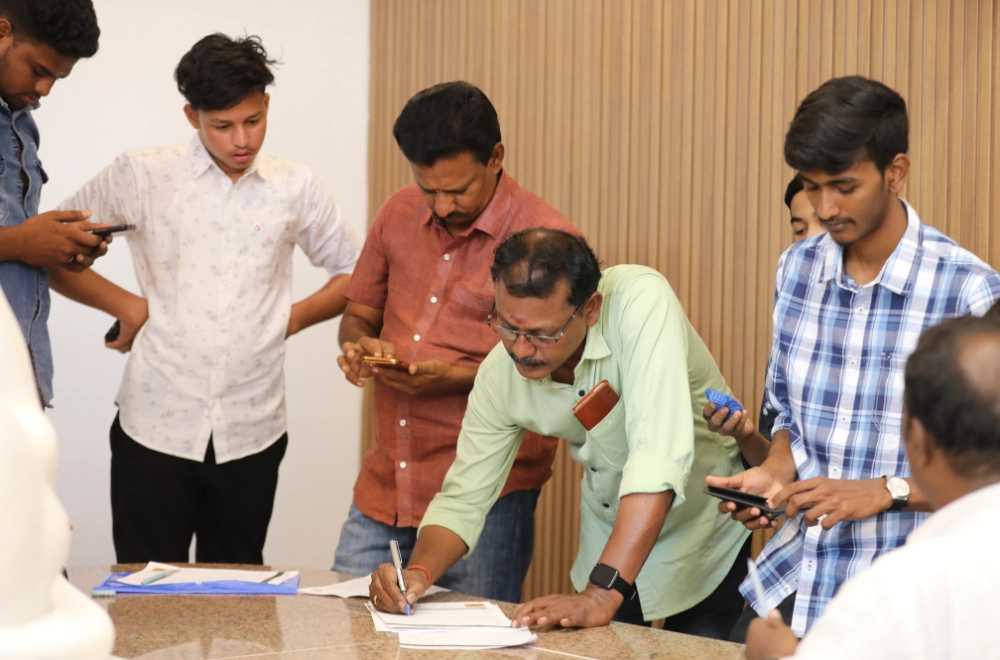
Students moving into a hostel should keep essential documents organised, secure and easy to access. Important records include identity proof, admission letters, academic certificates, fee receipts, medical information and emergency contacts. Keeping physical copies and secure digital backups can make hostel admission, college formalities and unexpected situations easier to manage.
Why Should Hostel Students Keep Important Documents Safe?
Living away from home means handling more responsibilities independently. Students may need documents for college verification, examinations, internships, travel, banking or medical appointments.
Misplacing an important certificate or identity document can cause unnecessary delays. Keeping documents organised helps students:
- Complete college and hostel formalities.
- Access identity and academic records when required.
- Handle emergencies more efficiently.
- Avoid repeatedly requesting replacement certificates.
- Keep personal information protected.
A little preparation before moving into a hostel can prevent several problems later.
10 Important Documents for Hostel Students
The documents required may vary depending on the college, hostel and course. Students should keep the following important documents organised and accessible.
| No. | Document Type | Details / What to Keep |
| 1 | Identity Proof | Aadhaar card, passport, voter ID or another identity document accepted by the institution. |
| 2 | College Admission Letter | Admission confirmation letter, allotment letter or college admission proof in printed and digital formats. |
| 3 | Academic Certificates & Mark Sheets | Class 10 and 12 mark sheets, transfer certificate, migration certificate and degree or diploma certificates, if applicable. |
| 4 | Passport-Size Photographs | Recent passport-size photographs and digital copies in the required format. |
| 5 | Hostel Admission & Fee Receipts | Hostel registration forms, admission confirmation, fee payment receipts and security deposit records. |
| 6 | Medical Records & Prescriptions | Medical reports, prescriptions, allergy details, ongoing treatment information and health insurance details, if applicable. |
| 7 | Emergency Contact Details | Parents’ or guardians’ phone numbers and other trusted emergency contacts. |
| 8 | Bank & Financial Documents | Essential bank details, scholarship records, education loan documents and fee payment confirmations. |
| 9 | Scholarship & Education Loan Documents | Scholarship approval letters, application numbers, loan sanction letters and related correspondence. |
| 10 | Travel & Other Important Documents | Passport, visa, travel bookings, driving licence, internship or employment documents, depending on individual needs. |
Important Tip: Keep scanned copies of important documents securely stored on your phone or cloud storage. Carry original documents only when required, and never share sensitive details such as ATM PINs, passwords, or OTPs.
How to Keep Important Documents Safe in a Hostel?
Knowing which documents to carry is only the first step. Students should also follow a simple system to keep them safe.
1. Use a Dedicated Document Folder
Keep papers in a labelled folder with separate sections for identity, academic, financial and medical records.
2. Store Originals and Copies Separately
Use photocopies whenever accepted and keep original certificates secure. If an original must be submitted, always ask for an acknowledgement or receipt.
3. Create Secure Digital Backups
Scan important documents and store them securely. Students can use DigiLocker to access and share eligible official digital documents. Check whether your institution accepts them before submission.
4. Protect Personal Information
Avoid sharing document photos in public groups or sending records to unknown contacts. Use strong passwords and screen locks, never share OTPs or banking credentials, and follow official UIDAI guidance for Aadhaar privacy.
5. Maintain a Document Checklist
List the documents you carry and where they are stored. Update it whenever you submit, replace, or collect a certificate to make important records easier to locate.
Common Mistakes Students Should Avoid
Even organised students can make mistakes when handling personal records. Avoid these common habits:
- Keeping all original documents in one easily accessible bag
- Giving original certificates to someone without a receipt
- Sharing identity documents through unverified links
- Forgetting to back up important academic records
- Leaving fee receipts and admission confirmations unorganised
- Saving passwords or banking PINs alongside identity documents
Being careful with personal records is an important part of living independently.
Read more: Top 5 mistakes to avoid while choosing a PG
Preparing for Hostel Life at My Poshtell
Moving into a hostel requires more than packing clothes and study materials. Students should organise important identity proofs, academic records, admission documents and emergency contact details before arriving.
My Poshtell is associated with student accommodation at 515/528, Devarakaggalahalli, Harohalli Hobli, Kanakapura Taluk, Karnataka 562112. Students planning a stay should keep their admission documents ready and confirm the required paperwork and submission process directly with the accommodation team.
Keeping documents organised can make the move into hostel life easier, especially for students staying away from home for the first time.
Key Takeaways
- Keep identity proof, admission letters and academic certificates organised.
- Carry copies when originals are not required.
- Maintain secure digital backups of important records.
- Store medical details and emergency contacts where they are accessible.
- Protect identity and banking information from unnecessary sharing.
- Confirm document requirements before hostel admission.
Ready to Find Your Student Hostel Near DSU?
Preparing for college life away from home starts with choosing the right accommodation. Explore S’ Residences for a comfortable student stay near Dayananda Sagar University.
Phone: +91 96063 06540 / Apply Now
Email: admission@poshtell.com
Plan ahead, stay prepared, and make your college life easier!
Final Thoughts
Keeping important documents organised and secure helps students manage hostel life with greater confidence. Preparing physical copies, maintaining digital backups and protecting personal information can save time during college formalities and unexpected situations.
Frequently Asked Questions (FAQs)
1. What documents are required for hostel admission?
Commonly requested documents include identity proof, college admission confirmation, passport-size photographs and academic details. Requirements vary by hostel, so confirm the exact checklist before admission.
2. Should students carry original certificates to a hostel?
Students should carry originals only when required for verification or another official purpose. Keep them secure and request an acknowledgement if an institution retains an original document.
3. How many photocopies of important documents should students keep?
Keeping two or three sets of commonly requested documents can be useful, depending on college and hostel requirements. Avoid making unnecessary copies of sensitive identity records.
4. Can students store important documents digitally?
Yes. Students can maintain secure digital backups and use official platforms such as DigiLocker for eligible issued documents. Keep account credentials private and follow the receiving institution’s submission rules.
5. How can students protect documents in a shared hostel room?
Use a dedicated document organiser and keep it in a secure personal storage space. Avoid leaving certificates, identity cards or financial records in shared areas.
6. Which documents should students keep for emergencies?
Keep emergency contact details, relevant medical information, prescriptions and essential identity details accessible. Students with specific medical needs should also keep important treatment information available.
7. What should I do if I lose an important document while staying in a hostel?
Inform your parents or guardians and contact the institution or issuing authority for replacement or reissue procedures. If an identity or financial document is lost, follow the relevant authority’s reporting and security instructions.